Wondering which Stamford neighborhood fits your work life best? If you are balancing NYC commute days with work-from-home flexibility, where you live can shape everything from your morning routine to your housing options and weekend downtime. This guide breaks down the Stamford areas that make the most sense for train-first buyers, hybrid workers, and remote professionals so you can focus your search with more confidence. Let’s dive in.
Why Stamford Works for Flexible Work
Stamford stands out because it gives you real transit options along with a wide range of neighborhood styles. According to the city, the Stamford Transportation Center serves Metro-North, Amtrak, and intercity buses, handles more than 8.5 million riders each year, and is the second-busiest Metro-North station after Grand Central.
That matters if your week is split between office days and home days. You can choose a location close to the station for easier train access, or look farther out for more privacy and space while still staying connected to the city.
Stamford also has layers of local transit that make car-light living more realistic in some areas. The city notes that CTtransit routes serve Stamford, and the free Harbor Point trolley connects the Transportation Center with Downtown, Harbor Point, UConn, Ferguson Library, Stamford Town Center, and other key destinations.
The city’s Stamford 2035 Comprehensive Plan also puts a clear focus on walkability, transit access, and connected neighborhoods. In practical terms, that means areas near Downtown and train stations often make the easiest fit for commuters and hybrid buyers.
Best Neighborhoods for NYC Commuters
If getting to the train easily is your top priority, a few Stamford neighborhoods rise to the top. Each offers a different balance of walkability, housing type, and day-to-day feel.
Downtown Stamford
Downtown is the most natural match if you want the most urban, train-oriented lifestyle. The Stamford Downtown district includes apartment buildings, condos, hotels, offices, and mixed-use properties, creating a compact setting where many daily errands can be done close to home.
The district reports that it has over 10,000 residents and describes itself as walkable, mixed-use, and transit-oriented. It also notes that many residents, especially in Downtown, live car-free, which makes this area especially appealing if you want to simplify your commute routine.
For buyers, Downtown often makes the most sense if you are looking for a condo or apartment-style home and want the shortest path to rail service, restaurants, services, and an active city center. If your goal is convenience first, this is usually the benchmark neighborhood to compare everything else against.
Harbor Point and South End
Harbor Point offers a newer, more planned mixed-use environment near the water. The city highlights Commons Park as a central neighborhood feature with walking and biking paths, a playground, and recurring community events.
Transit access is another major plus here. The free Harbor Point trolley links the neighborhood to the Transportation Center and other destinations, helping residents move around without relying entirely on a car.
This area tends to fit buyers who want newer buildings, modern amenities, and a polished live-work-play setup. If you like the idea of commuter convenience but want a slightly different feel than traditional Downtown, Harbor Point is worth a close look.
Glenbrook
Glenbrook sits in a useful middle ground between urban convenience and a more residential setting. The city says the Glenbrook Road and Church Street area is adjacent to the Glenbrook Train Station and sees a high volume of people walking to the train, which speaks directly to its commuter appeal.
The Stamford 2035 plan also places neighborhood-residential uses near Glenbrook and describes a mix that can include single-family homes, townhomes, duplexes, garden apartments, and compatible commercial uses. That gives buyers more variety than they may find in the high-rise core.
If you want rail access but do not necessarily want a dense Downtown setting, Glenbrook can be a smart option. It often appeals to buyers who want flexibility in housing type while keeping the train within reach.
Springdale
Springdale is another strong choice for buyers who still need train access but want a little more breathing room. The city’s Springdale TOD implementation work focuses on making the station area easier to use, with better crossings, sidewalks, lighting, bus shelters, streetscape upgrades, and kiss-and-ride improvements.
The neighborhood also reads as more residential in its layout and amenities. The city notes that Drotar Park sits in the heart of Springdale, adding open space and everyday recreation close to the station area.
For hybrid workers, Springdale can offer a nice balance. You still have train access when needed, but your home search may include options that feel less tied to a high-density downtown environment.
Best Neighborhoods for Remote Professionals
If you work from home most days, your priorities may shift. Instead of shaving minutes off a commute, you may care more about privacy, lot size, quieter surroundings, and room for a dedicated office.
North Stamford
North Stamford is the clearest choice if space and privacy rank above quick station access. City planning materials describe it as the part of Stamford north of the Merritt Parkway, made up almost entirely of single-family homes on large wooded lots.
That land-use pattern is important because it helps explain the area’s feel. The city’s planning documents also note that a large share of Stamford’s land area is reserved for single-family residential use, and North Stamford strongly reflects that lower-density character.
This part of the city also offers access to open space. The city describes Chestnut Hill Park as a North Stamford park with open space and picnic areas, and notes that Dorothy Heroy Park includes woods, hiking trails, courts, a playground, and an outdoor pool.
If your workday happens mostly at home, North Stamford may give you the separation, quiet, and house-oriented setting that is harder to find closer to the core. It is often the best fit for buyers who want a more suburban or semi-rural atmosphere.
Westover
Westover is another option for buyers who want a quieter, house-focused environment. Stamford’s long-range planning continues to preserve lower-density neighborhoods, and Westover fits that more residential side of the market.
A local landmark that helps define the area is Fort Stamford, a five-acre historic park on Westover Road. While that does not define every home search decision, it does reinforce the neighborhood’s greener, calmer feel compared with Downtown and Harbor Point.
Westover can be a good match if your schedule is mostly remote and you want a setting centered more on home life than daily transit convenience. For some buyers, that tradeoff is well worth it.
How Housing Types Change by Area
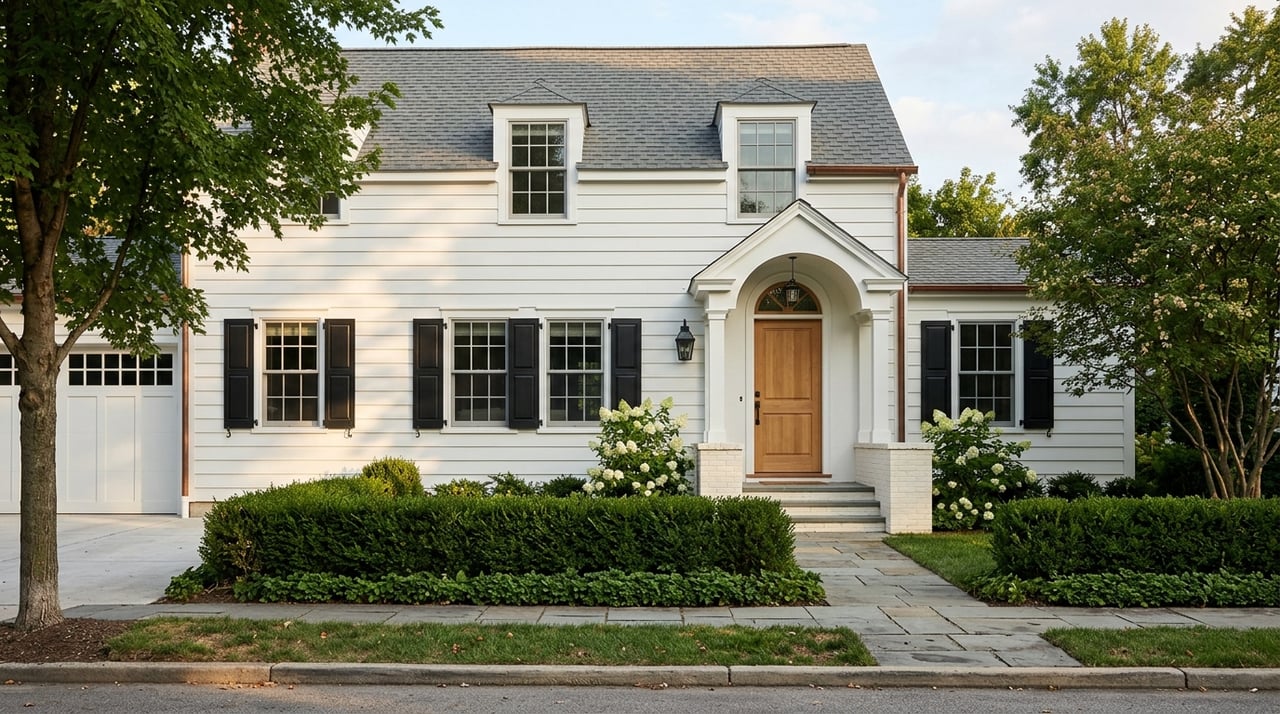
One of the biggest practical differences between Stamford neighborhoods is housing stock. Your preferred home type may narrow your search almost as much as your commute needs.
In broad terms, Downtown and Harbor Point lean toward apartments, condos, and mixed-use buildings. Glenbrook and Springdale offer more of a middle mix, including single-family homes, townhomes, duplexes, and garden apartments. North Stamford and Westover are the most house-oriented options.
That means your neighborhood decision is really a lifestyle decision too. If you want elevator living and a more lock-and-leave setup, the station-adjacent districts may fit best. If you want a yard, more interior space, or a more traditional house layout, the outer neighborhoods may align better.
Parking and Transit Details to Consider
Even if you plan to take the train regularly, your driving habits still matter. Some buyers want to walk to the station, while others are comfortable driving and parking for commute days.
The city manages Glenbrook and Springdale commuter parking lots, and Stamford also has a residential parking program designed to help protect neighborhood parking supply. These details are worth reviewing early if parking is part of your routine.
It is also smart to think beyond the train itself. Local buses, trolley service, sidewalks, and station-area improvements can all shape how easy your week feels, especially if you are juggling office days, errands, and home time in the same neighborhood.
How to Choose the Right Stamford Neighborhood
The best neighborhood usually comes down to how often you actually travel into NYC and what kind of home environment helps you function best. A buyer who commutes four or five days a week will often value proximity differently than someone who goes in once a week.
A simple way to narrow your choices is to ask yourself:
- Do you want to walk to the train or are you comfortable driving to it?
- Are you looking for a condo, apartment, townhome, or single-family home?
- Do you want a more urban, mixed-use setting or a quieter residential one?
- How important are parks, outdoor space, and room for a home office?
- Do you want to live where daily errands are easier without a car?
If your top priority is commute ease, start with Downtown, Harbor Point, Glenbrook, and Springdale. If your top priority is space and a quieter work-from-home routine, North Stamford and Westover may be better places to focus.
A Practical Stamford Search Strategy
For many buyers, Stamford works because it does not force a one-size-fits-all answer. You can prioritize train access, walkability, newer condo living, traditional houses, or a more private remote-work setting without leaving the city.
That flexibility is exactly why Stamford continues to attract NYC commuters and remote professionals alike. The key is matching your real routine, not your idealized one, to the neighborhood that supports it best.
If you want help comparing Stamford neighborhoods, housing options, and commute tradeoffs, the Blanchet Team can help you build a search strategy that fits how you actually live and work.
FAQs
Which Stamford neighborhoods are closest to train access for NYC commuters?
- Downtown Stamford, Harbor Point, Glenbrook, and Springdale are the strongest options if train access is a top priority, with Downtown offering the most direct transit-oriented lifestyle.
Which Stamford neighborhoods feel most walkable for hybrid buyers?
- Downtown Stamford is the most clearly walkable mixed-use district, and Harbor Point also supports a more car-light lifestyle with trolley connections and neighborhood amenities.
Which Stamford neighborhoods offer condos versus single-family homes?
- Downtown and Harbor Point lean more toward condos, apartments, and mixed-use buildings, while North Stamford and Westover are more house-oriented. Glenbrook and Springdale offer a broader middle mix.
Which Stamford neighborhoods make the most sense for remote professionals?
- North Stamford and Westover are often the best fit for remote workers who want more privacy, more space, and a quieter day-to-day setting.
Which Stamford neighborhoods work best for a hybrid NYC and home schedule?
- Glenbrook and Springdale can be especially appealing for hybrid schedules because they balance rail access with a more residential feel than the Downtown core.