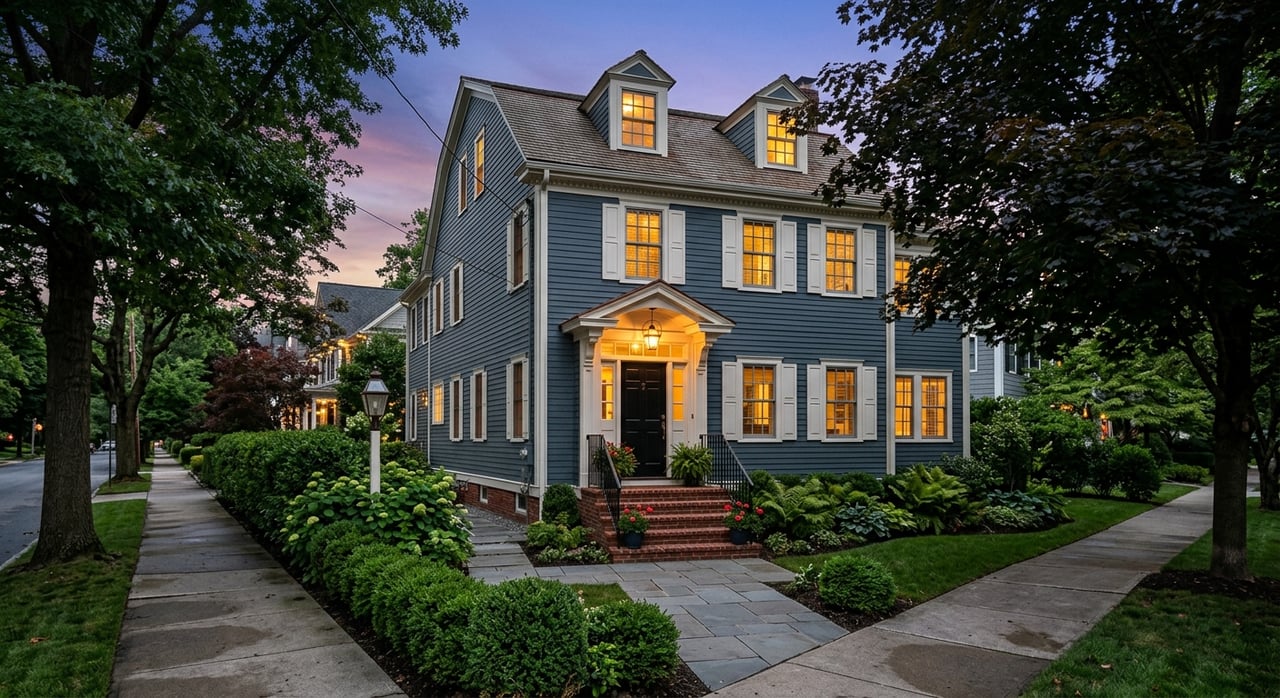
Trying to choose a Hudson River town in Westchester can feel simple at first, until you realize each stop along the river offers a very different day-to-day experience. You may be looking for a walkable downtown, easy train access, more time outdoors, or a stronger connection to the waterfront. The good news is that Westchester’s river towns give you real variety in a relatively tight corridor. This guide will help you compare the options and narrow in on the town that fits how you actually want to live. Let’s dive in.
Why Westchester’s river towns feel so different
The Hudson River Towns corridor is best understood as a string of distinct communities rather than one interchangeable suburban stretch. Official town and village materials point to meaningful differences in downtown layout, waterfront access, parks, and station convenience.
That matters when you are home shopping. Two towns can sit just a few stops apart on the Hudson Line, yet offer a very different mix of walkability, open space, and daily rhythm.
Start with your lifestyle priorities
Before comparing specific places, it helps to decide what matters most in your routine. If you know whether you care most about train access, a compact downtown, or riverfront recreation, your shortlist gets much clearer.
A simple way to think about the corridor is as a continuum. In the southern part, you tend to find classic village living near stations. In the middle, there is more emphasis on mixed-use waterfront areas and revitalized downtowns. Farther north, the feel leans more toward parks, trails, and outdoor access.
Best towns for walkable downtowns
If you want errands, coffee, dining, and the train to feel close at hand, several towns stand out.
Hastings-on-Hudson
Hastings describes its downtown as compact, pedestrian-friendly, and small-town in feel. Official planning materials highlight historic buildings, local storefronts, apartments above shops, and the Old Croton Aqueduct trail near downtown.
For many buyers, that points to a village center that feels easy to use on a daily basis. Hastings also has an accessible Hudson Line station, which supports a rail-first lifestyle.
Dobbs Ferry
Dobbs Ferry pairs a walkable downtown with strong river access. The village highlights tree-lined streets, a waterfront park, and the 76-acre Juhring Nature Preserve, while also noting it is about 20 miles from Midtown and about a 35-minute train ride away.
The station is on the Hudson Line and is listed as accessible. If you want a town where downtown convenience and outdoor time can both be part of your week, Dobbs Ferry deserves a close look.
Tarrytown
Tarrytown offers one of the clearest blends of downtown energy and transit convenience. The village places itself about 25 miles north of Midtown and emphasizes a vibrant downtown, a full range of businesses and amenities, and parks along the Hudson.
Official materials also note that downtown is an easy walk uphill from the train station. Its accessible station connects with Bee-Line and Hudson Link, which gives Tarrytown a broader transportation network than many nearby towns.
Best towns for waterfront living and recreation
If your ideal weekend includes river views, trails, promenades, or large public parks, several towns lean heavily into waterfront access.
Irvington
Irvington presents itself as a historic river village with a strong sense of character. Scenic Hudson Park offers nearly a mile of pathways, open lawns, playgrounds, ballfields, and a senior center, while the Old Croton Aqueduct State Park runs the full length of the village.
That mix creates a setting where outdoor space feels woven into daily life. Irvington station has ramp access, but there is no accessible path between platforms, which is important to keep in mind if station accessibility is a major factor for you.
Sleepy Hollow
Sleepy Hollow stands out for its waterfront park system and compact village pattern. The Sleepy Hollow River Walk is a 16-acre waterfront park with promenade and overlook sections, and Kingsland Point Park adds a large riverfront park and historic lighthouse.
Transportation planning is also a key part of the local picture. The village manages metered parking and station-area parking around Philipse Manor, so your experience here may depend as much on parking and access planning as on the train itself.
Ossining
Ossining gives you a strong riverfront story with a larger shoreline footprint. The village’s waterfront access plan covers three miles of Hudson River shoreline, and local recreation materials point to 17 parks, including trails, a spray park, a dog park, and Hudson River sunset views.
Its Downtown Revitalization Initiative materials also emphasize the historic Main Street, the waterfront, and the Metro-North station. Ossining station is accessible and also connects to the Haverstraw-Ossining Ferry service.
Peekskill
Peekskill brings a more city-like version of riverfront living. New York State’s downtown revitalization materials describe a target area that includes both downtown and the waterfront Transit-Oriented Development District, with cultural and educational institutions, parks, restaurants, and boutique retail.
The city also emphasizes pedestrian and cyclist connectivity between downtown and the waterfront. If you want a stronger downtown-to-waterfront connection in a larger setting, Peekskill may feel like a good match.
Best towns for trails and outdoor access
Some buyers want less of a village-center feel and more of an outdoor-oriented lifestyle. In this group, Croton-on-Hudson is especially notable.
Croton-on-Hudson
Croton-on-Hudson reads as one of the most outdoor-forward towns in the corridor. Official parks materials describe nearly 13 miles of wooded trails, along with Croton Landing Park, Senasqua Park, Silver Lake beach, the Echo canoe launch near the train station, and the Crossining bike-pedestrian link to Ossining.
Croton-Harmon is an accessible Hudson Line station, which adds practical commuting value to all that recreation. If your priority is combining train access with trails, water access, and active weekends, Croton should be high on your list.
Towns with a more nuanced fit
A few places make the most sense when your priorities are very specific.
Buchanan
Buchanan is part of the broader Town of Cortlandt setting and should be considered a more specialized choice. Official materials note that Cortlandt generally has a rural character along the Hudson, but they also identify Buchanan’s industrial section as an exception to the area’s mostly residential pattern.
The town and village are working on waterfront revitalization focused on public access, recreation, and redevelopment of formerly industrial land. There is no Buchanan station on the current Hudson Line station list, so rail access should be viewed as indirect rather than town-centered.
Sleepy Hollow for station-conscious buyers
Sleepy Hollow can still be a strong option if you love its waterfront and village layout, but station access deserves extra attention. The village is served by Philipse Manor, and the nearest fully accessible Hudson Line stations are Tarrytown and Scarborough.
If accessibility between platforms or broader station connections are important to you, compare Sleepy Hollow carefully against Tarrytown or Ossining. A town can be appealing overall while still asking for a few more logistics in daily life.
A simple way to narrow your shortlist
If you are deciding between several Hudson River towns, it helps to match each town to the life you want, not just the listing price or square footage.
Use this quick framework:
- Choose Hastings-on-Hudson if you want a compact, pedestrian-friendly village center.
- Choose Dobbs Ferry if you want walkability plus a strong waterfront park presence.
- Choose Tarrytown if you want a vibrant downtown and the broadest multi-modal transit feel.
- Choose Irvington if you value historic village character and park access along the river.
- Choose Sleepy Hollow if waterfront parks are a top priority and you are comfortable evaluating parking and station logistics.
- Choose Ossining if you want extensive shoreline access, many parks, and an accessible station.
- Choose Croton-on-Hudson if trails, outdoor recreation, and an accessible station are central to your search.
- Choose Peekskill if you want a larger downtown-and-waterfront setting with strong revitalization momentum.
- Choose Buchanan if you are open to a less station-centered option with evolving waterfront redevelopment.
What to notice when you visit
Online research is helpful, but these towns become much clearer in person. When you tour, pay attention to how long it really takes to get from downtown to the station, from the station to the waterfront, and from a residential block to the places you would use most often.
It also helps to visit at more than one time of day. A town can feel very different on a weekday morning than it does on a weekend afternoon near the riverfront or downtown core.
Choosing the right Hudson River town is really about matching your home search to your daily habits. When you focus on walkability, waterfront access, park space, and transit convenience in that order, the right fit usually becomes much easier to spot. If you want help narrowing your options in Westchester, the Blanchet Team can help you compare towns, understand the tradeoffs, and move forward with confidence.
FAQs
Which Westchester Hudson River towns feel most walkable?
- Based on official downtown and planning materials, Hastings-on-Hudson, Tarrytown, and Dobbs Ferry stand out most clearly for walkable village centers, with Sleepy Hollow and Peekskill also showing strong pedestrian-focused areas.
Which Westchester Hudson River towns have the best waterfront recreation?
- Official materials place strong emphasis on waterfront parks and river access in Croton-on-Hudson, Irvington, Ossining, Sleepy Hollow, and Peekskill.
Which Westchester Hudson River towns have accessible Metro-North stations?
- Based on current MTA station information in the research, accessible Hudson Line stops in this group include Dobbs Ferry, Hastings-on-Hudson, Tarrytown, Ossining, Croton-Harmon, and Peekskill.
Is Sleepy Hollow station fully accessible on the Hudson Line?
- No. The research notes that Sleepy Hollow is served by Philipse Manor, and the nearest fully accessible Hudson Line stations are Tarrytown and Scarborough.
Is Irvington station fully accessible between platforms?
- No. Irvington station has ramp access, but the research states there is no accessible path between platforms.
Which Westchester Hudson River town is best for trails and outdoor access?
- Croton-on-Hudson stands out most strongly for outdoor access, with nearly 13 miles of wooded trails, multiple parks along the Hudson, a beach, and a canoe launch near the station.