Few events match the scale, energy, and global reach of the FIFA World Cup. In 2026, the tournament arrives in North America for a landmark edition hosted across the United States, Mexico, and Canada—bringing worldwide attention to some of the most dynamic real estate markets on the continent.
For the New York, New Jersey, and Connecticut region, this is more than a sporting event. It’s a global spotlight moment.
A Brief History of the FIFA World Cup
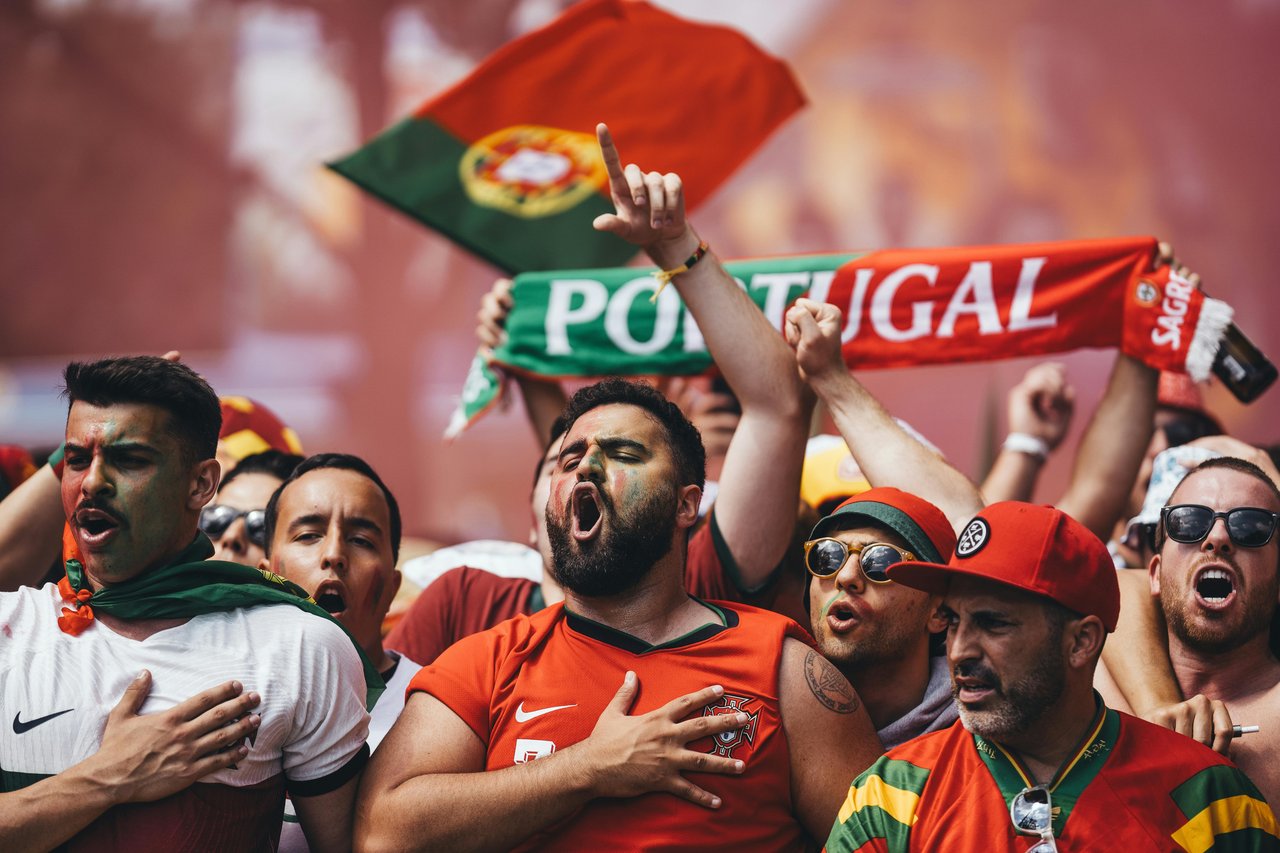
The FIFA World Cup began in 1930 in Uruguay with just 13 teams. Over nearly a century, it has grown into the most-watched sporting event in the world, held every four years and uniting nations across every continent.
Historic moments have defined generations—from Pelé’s dominance with Brazil, to Maradona’s legendary 1986 performance, to France’s home victory in 1998, and Argentina’s most recent triumph in 2022.
In 2026, the World Cup enters a new era:
- Expanded to 48 teams
- Hosted across three countries
- Featuring 104 matches
- Running from June 11 – July 19, 2026
Match Schedule Overview
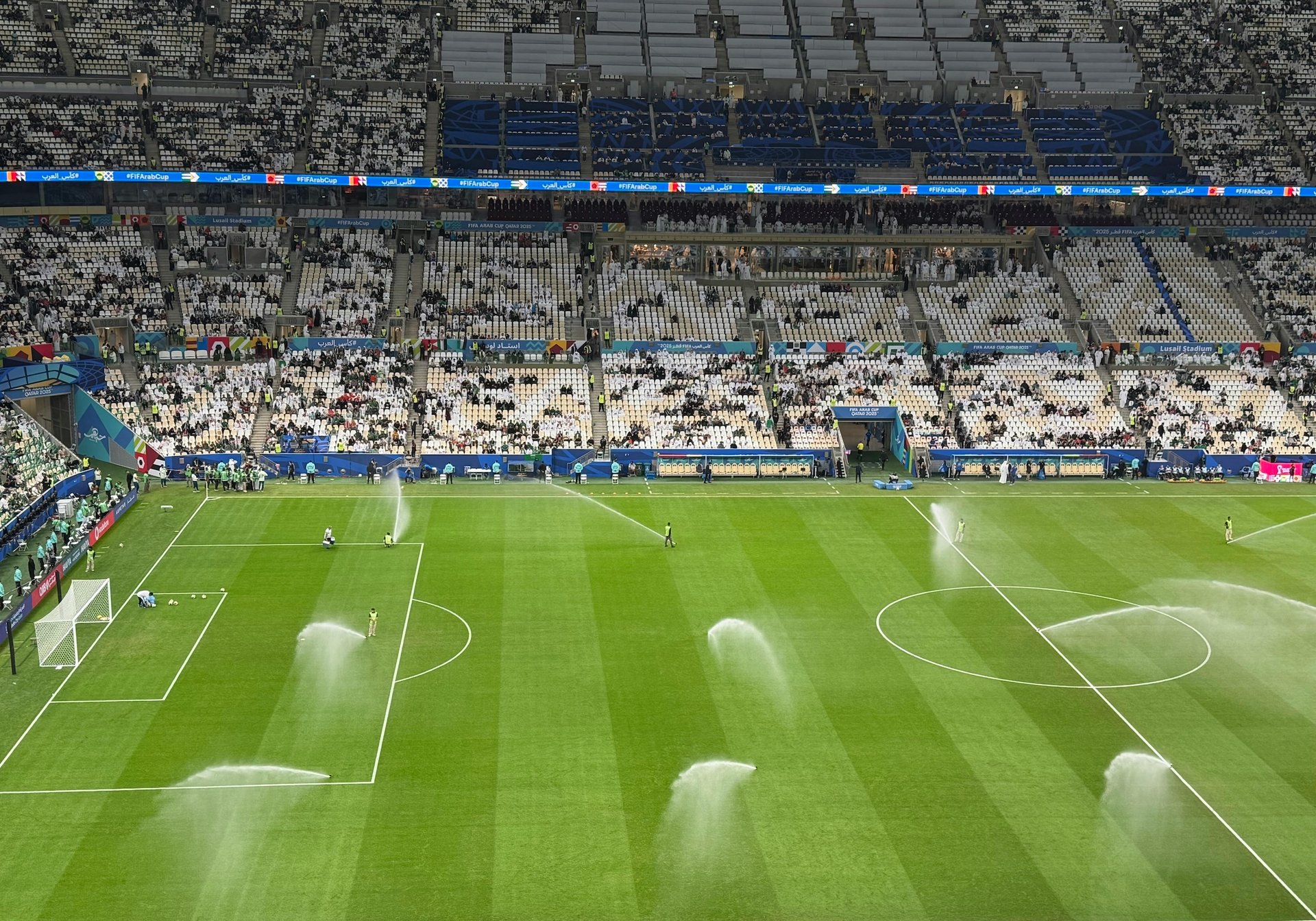
The tournament will span just over a month, with matches happening daily across North America.
Key Dates
- Opening Match: June 11, 2026
- Group Stage: June 11 – June 27
- Knockout Rounds: Begin June 28
- Final Match: July 19, 2026
With games spread across multiple time zones, fans will experience a continuous global rhythm of competition, celebration, and travel throughout the summer.
Spotlight: New York / New Jersey — A Global Final Destination
The New York / New Jersey region will be one of the most important stages of the entire tournament—and home to the Final Match of the 2026 FIFA World Cup, held at MetLife Stadium.
MetLife Stadium
This positions the region not just as a host, but as the global center of football for the tournament’s most watched moment.
Why This Matters for the Region
The impact across New York, New Jersey, and nearby Connecticut markets will be significant:
1. Global Visibility at the Highest Level
The final alone is expected to draw hundreds of millions of viewers worldwide, placing the region on the same stage as past iconic World Cup cities like London, Berlin, and Rio.
2. Surge in Short-Term Demand
Hotels, luxury rentals, and short-term stays across Manhattan, Brooklyn, Jersey City, Hoboken, and coastal Connecticut markets are expected to see major demand increases.
3. Cross-Market Movement
Visitors attending matches in New York / New Jersey will naturally expand into surrounding areas—including Connecticut’s shoreline towns and commuter hubs—driving regional exposure beyond city limits.
4. Lifestyle Marketing Moment for Real Estate
Few moments rival the World Cup for showcasing a region’s lifestyle, infrastructure, and connectivity to a global audience in real time.
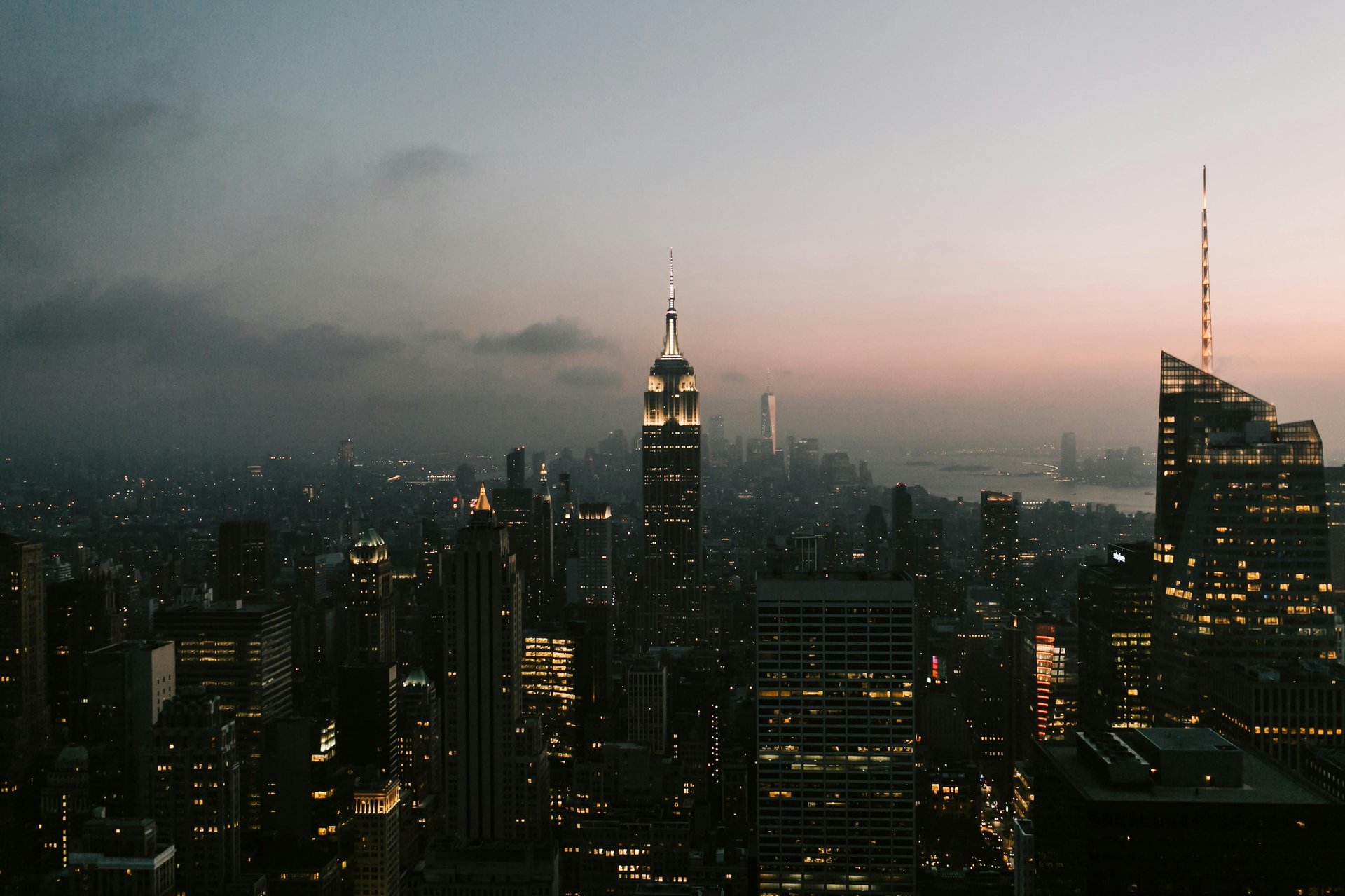
Host Cities Across North America
🇺🇸 United States (Selected Cities)
- New York / New Jersey
- Los Angeles
- Miami
- Atlanta
- Seattle
- Dallas
- Boston
- San Francisco Bay Area
- Philadelphia
- Houston
- Kansas City
🇲🇽 Mexico
- Mexico City
- Guadalajara
- Monterrey
🇨🇦 Canada
- Toronto
- Vancouver
Official Fan Information & Updates
For official schedules, tickets, tournament updates, and to learn more, visit:
Final Thoughts
The 2026 FIFA World Cup will transform cities across North America—but few regions will carry the significance of New York / New Jersey, home to the tournament’s final and one of the most globally visible stages in sports.
For the broader tri-state area—including Connecticut commuter and coastal markets—this moment will amplify international attention, travel demand, and long-term visibility in ways that extend far beyond the tournament itself.
For The Blanchet Team, it’s another example of how global events and local markets intersect—especially in one of the most influential real estate regions in the world.